Introduction
Umm Al Quwain is one of the UAE’s calmest emirates, but its past is rich, layered, and worth exploring. For travelers who want culture without crowded streets, Historic sites in Umm Al Quwain offer forts, museums, coastal heritage, archaeological discoveries, and old settlement stories. These places are not just photo stops. They show how people lived, traded, defended their communities, and built a life between the desert, creek, and sea.
This 2026 guide focuses on confirmed places and practical planning. Official and cultural sources list Umm Al Quwain National Museum, Falaj Al Mualla Fort, Ed Dur Archaeological Site, and Al Sinniyah Monastery among the emirate’s important heritage attractions. That makes Historic sites in Umm Al Quwain a strong choice for families, students, photographers, and visitors who want a meaningful UAE trip. For 2026 visitors, Historic sites in Umm Al Quwain also offer a quieter alternative to busy city sightseeing.
1. 🏰 Umm Al Quwain National Museum
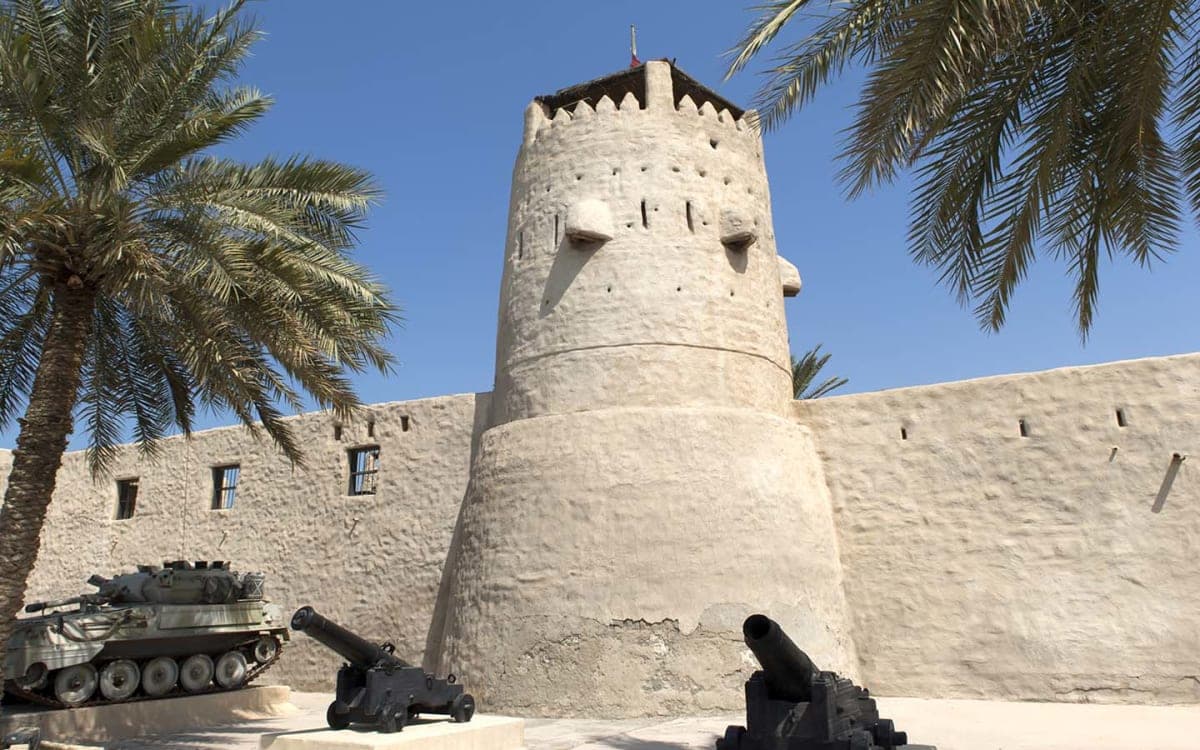
The best place to begin exploring Historic sites in Umm Al Quwain is Umm Al Quwain National Museum. It is located inside Al Ali Fort, which the UAE Ministry of Economy describes as one of the oldest structures in the emirate. The museum displays artifacts dating back hundreds of years and helps visitors understand local culture, traditions, and daily life from earlier times.
Inside, you can expect a heritage focused experience with rooms connected to ruling family history, traditional life, weapons, maritime culture, and archaeological objects. For anyone visiting Historic sites in Umm Al Quwain for the first time, this museum gives useful context before seeing forts, old streets, or archaeological locations.
2. 🛡️ Al Ali Fort and the Old Town Area
Al Ali Fort is more than the building that holds the museum. It is a key symbol of local defense, leadership, and settlement history. Many Historic sites in Umm Al Quwain are connected to the old coastal town, where the creek and harbour shaped daily life for generations.
After visiting the museum, take time to observe the surrounding old town area. Look for narrow streets, older building forms, and views toward the water. This part of the visit helps you understand that Historic sites in Umm Al Quwain are not always limited to one room or one display. The setting itself tells a story about how the emirate grew around protection, fishing, trade, and family life.
3. 🏜️ Falaj Al Mualla Fort
Falaj Al Mualla Fort gives visitors a different view of Historic sites in Umm Al Quwain because it sits inland rather than on the coast. The UAE Ministry of Climate Change and Environment lists the fort in Falaj Al Mualla, around 45 kilometers from Umm Al Quwain city through the Umm Al Quwain to Al Shuwaib Road. The same source lists no entry fee, with opening hours from Saturday to Thursday, 8 am to 2 pm and 3 pm to 8 pm, and Friday from 3 pm to 8 pm.
This fort is a valuable stop because it reflects inland life, palm areas, water access, and local defense. To see Historic sites in Umm Al Quwain properly, include both coastal and inland places. Visit from October to April for more comfortable weather.
4. 🏺 Ed Dur Archaeological Site
Ed Dur is one of the most important Historic sites in Umm Al Quwain for ancient history. UNESCO lists Ed Dur on its Tentative List and describes it as one of the largest archaeological sites in the UAE, overlooking Al Beidha Lake. The UAE National Cultural Map also describes Ed Dur as a major coastal settlement in Umm Al Quwain during the Roman period.
This site shows that the emirate was connected to wider Gulf trade and settlement activity long before modern development. Because archaeological areas may have protected zones or limited facilities, visitors should check local access guidance before planning a trip. Historic sites in Umm Al Quwain like Ed Dur are especially valuable for travelers who want to understand the deep history of the UAE, not only its recent heritage.
5. ⛪ Al Sinniyah Monastery on Siniya Island
Al Sinniyah Monastery is one of the most remarkable Historic sites in Umm Al Quwain. The UAE National Cultural Map identifies it as one of the most important archaeological sites on Siniya Island and the first Christian monastery discovered in Umm Al Quwain. This makes it a rare and meaningful part of the emirate’s cultural story.
For 2026 travel planning, remember that island heritage locations may be sensitive or protected. Do not assume free public access unless current local information confirms it. Historic sites in Umm Al Quwain on Siniya Island reveal layers of faith, settlement, and maritime history, so they should be treated with respect.
6. 🚤 Old Harbour and Maritime Heritage
The old harbour area adds living context to Historic sites in Umm Al Quwain. Although it is not always presented like a formal museum, it helps visitors see the emirate’s fishing and boat related identity. The harbour connects strongly with the old town, the creek, and the traditional working life of the coast.
Visit in the morning or late afternoon for easier weather and better light. Watch for dhow related scenes, fishing activity, and older coastal views, but always respect private spaces and ask before photographing people closely. Historic sites in Umm Al Quwain become more complete when you include maritime heritage, because the sea shaped the emirate’s economy and culture.
7. 🧭 Antiquities and Heritage Collections
Local collections and antiquities displays help connect objects with the places they came from. When you view artifacts from archaeological areas, forts, or older settlements, Historic sites in Umm Al Quwain become easier to understand. These collections show tools, pottery, weapons, household items, and objects linked to trade and daily life.
Before visiting in 2026, check the latest opening details through official Umm Al Quwain tourism channels. Smaller cultural venues may update timings, displays, or access rules. This extra step helps you avoid disappointment and keeps your trip accurate.
8. ✅ Smart Visiting Tips for 2026
To enjoy Historic sites in Umm Al Quwain, plan a relaxed itinerary. Start with Umm Al Quwain National Museum, then walk around the old town and harbour. Keep Falaj Al Mualla Fort for a separate stop, especially if you want an inland heritage experience. Ed Dur and Siniya Island related places need extra planning because access can depend on preservation rules.
Dress modestly, carry water, avoid midday summer heat, and confirm timings before leaving. Historic sites in Umm Al Quwain are quieter than major attractions in larger emirates, so facilities can be simple. That peaceful character is part of the experience.
Conclusion
Historic sites in Umm Al Quwain make the emirate a rewarding cultural destination in 2026. From Umm Al Quwain National Museum and Al Ali Fort to Falaj Al Mualla Fort, Ed Dur, Siniya Island, and the old harbour, each stop reveals a different part of the emirate’s identity. Historic sites in Umm Al Quwain tell stories of defense, faith, trade, fishing, family life, and ancient settlement.
If you want a genuine UAE heritage trip, choose Historic sites in Umm Al Quwain. They are calm, educational, and full of positive cultural value. Historic sites in Umm Al Quwain may be quieter than famous landmarks elsewhere, but they preserve the roots of the emirate in a way that feels real and memorable. Use Historic sites in Umm Al Quwain as your 2026 guide to discovering the emirate with patience, respect, and curiosity.
Also Read: Powerful and Reliable Guide to Average Salary in Umm Al Quwain 2026 by Job Role